Avoid These Common Mistakes When Installing a PVC Deck


Installing a PVC deck can transform your outdoor space into a beautiful and low-maintenance oasis. However, many homeowners make common mistakes during installation that can lead to problems down the road. Here’s how to avoid them.
Improper Planning
Before starting any deck installation, proper planning is crucial. A well-thought-out plan ensures that you have all the necessary materials and tools. Many people overlook the importance of checking local building codes and obtaining any required permits, which can lead to legal issues later.

Additionally, consider the deck’s design and function. Will you need railings? What about stairs or built-in seating? Planning these elements early can save time and money.
Ignoring Surface Preparation
One of the biggest mistakes is neglecting proper surface preparation. The ground where the deck will be installed must be level and stable. Failing to level the ground can cause structural issues and affect the longevity of your deck. Invest time in preparing the surface to avoid future headaches.

Moreover, ensure proper drainage around the deck area to prevent water damage. Poor drainage can lead to warping and mold, compromising the deck’s integrity.
Incorrect Fastening Techniques
Using the wrong fasteners or fastening techniques can lead to loose boards and an unstable deck. PVC decking often requires specific fasteners, so always follow the manufacturer’s guidelines. Opt for stainless steel screws or hidden fastener systems designed for PVC to ensure a secure fit.
Improper spacing is another common issue. Boards that are too close can trap moisture, leading to warping. Follow recommended spacing guidelines to allow for expansion and contraction.

Overlooking Expansion and Contraction
PVC decking expands and contracts with temperature changes. Failing to account for this can cause the deck to buckle or warp over time. Leave adequate space between boards and around fixed structures like posts and walls. This ensures the deck can move without causing damage.
Consider using expansion joints in larger decks to manage movement effectively. This simple step can prevent costly repairs down the line.
Neglecting Regular Maintenance
While PVC decks are low maintenance, they still require some care. Many homeowners neglect regular cleaning, which can lead to stains and discoloration. Use a mild soap and water solution to clean the deck periodically and remove debris.
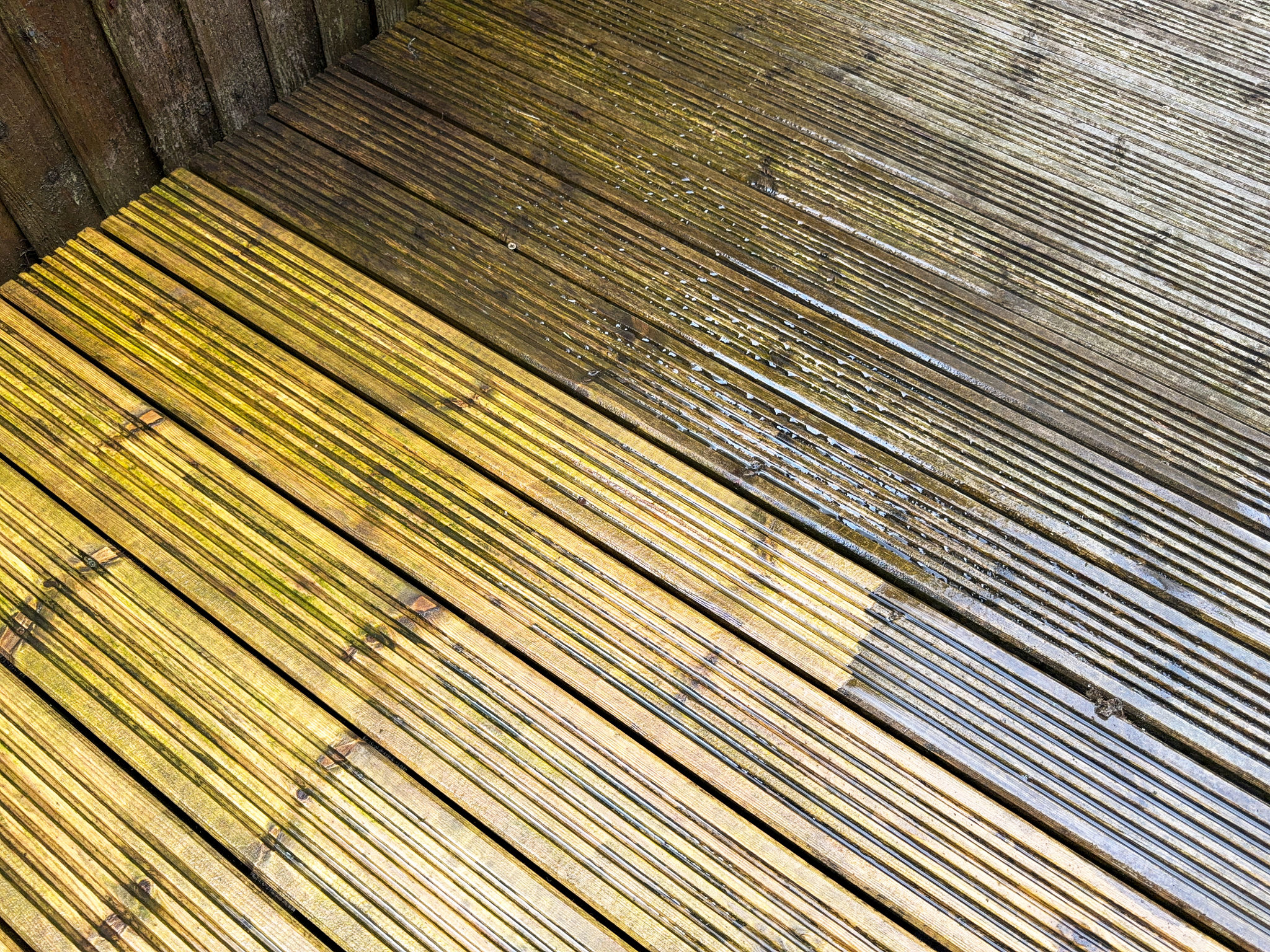
Additionally, inspect the deck annually for any signs of wear or damage. Addressing minor issues early can prevent them from becoming major problems.
By avoiding these common mistakes, you can ensure your PVC deck remains a beautiful and lasting addition to your home. Proper planning, installation, and maintenance are key to enjoying your outdoor space for years to come.