Composite vs. Traditional Wood Fencing: Which is Right for You?


Understanding the Basics of Composite and Traditional Wood Fencing
When it comes to choosing a fence for your property, the options can be overwhelming. Two popular choices are composite and traditional wood fencing. Each has its own benefits and drawbacks, which can make the decision-making process a bit tricky. Understanding the differences between these materials is essential to ensure you select the best option for your needs.
Composite fencing is made from a combination of wood fibers and plastic. This mixture creates a durable, long-lasting material that mimics the appearance of wood without some of the downsides. Traditional wood fencing, on the other hand, is made entirely from natural wood, offering a classic look that many homeowners find appealing.
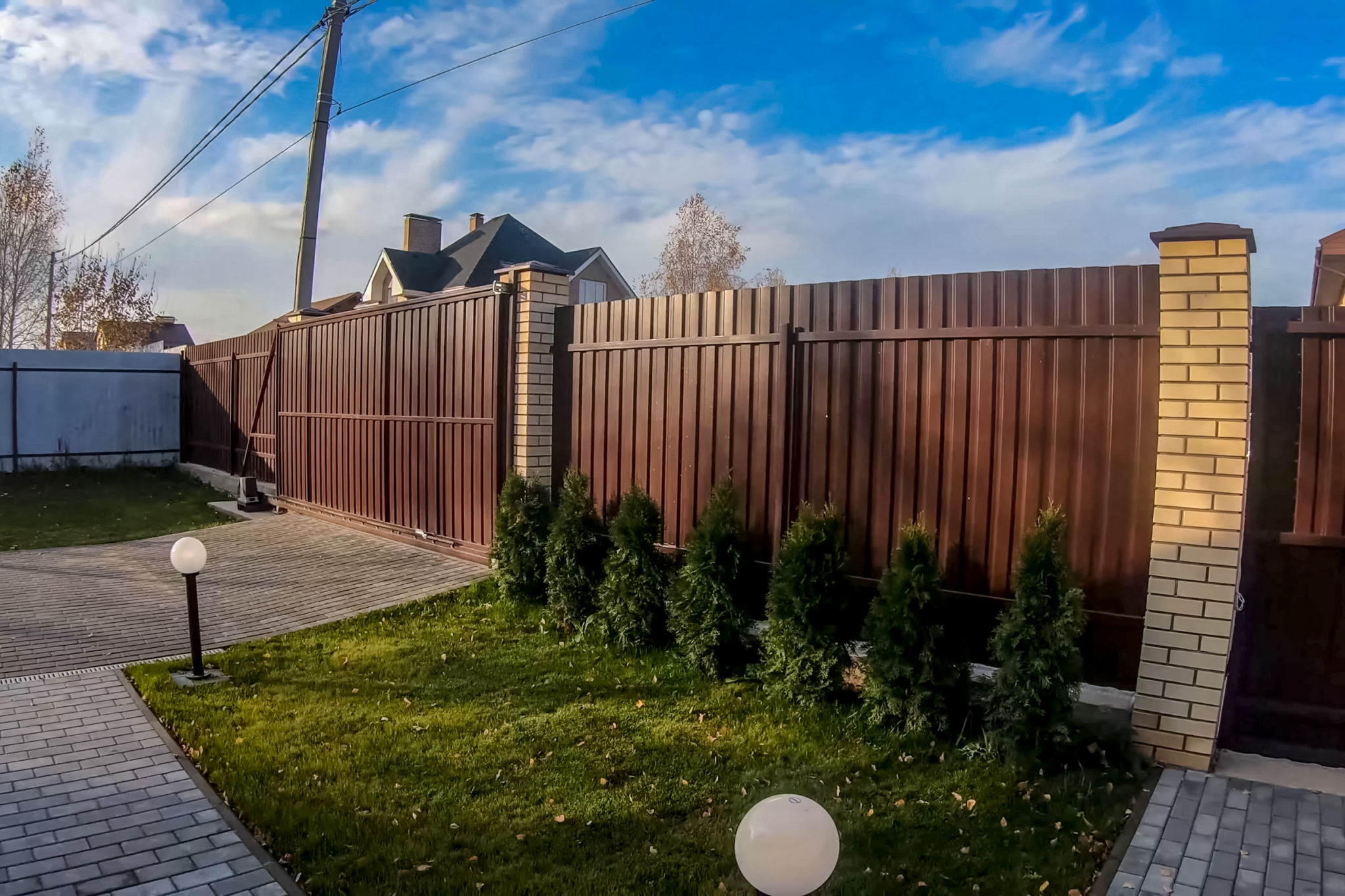
Durability and Maintenance
One of the most significant factors to consider when choosing between composite and traditional wood fencing is durability. Composite fences are known for their resilience. They are resistant to rot, warping, and insect damage, making them a low-maintenance option. In contrast, traditional wood fencing requires regular maintenance to prevent these issues. This includes painting or staining every few years to protect the wood.
Composite fencing is also less likely to splinter over time, which can be a safety concern with wood fences. If you prefer a hassle-free option, composite might be the way to go. However, if you enjoy the process of maintaining your property and don't mind some upkeep, traditional wood could still be appealing.
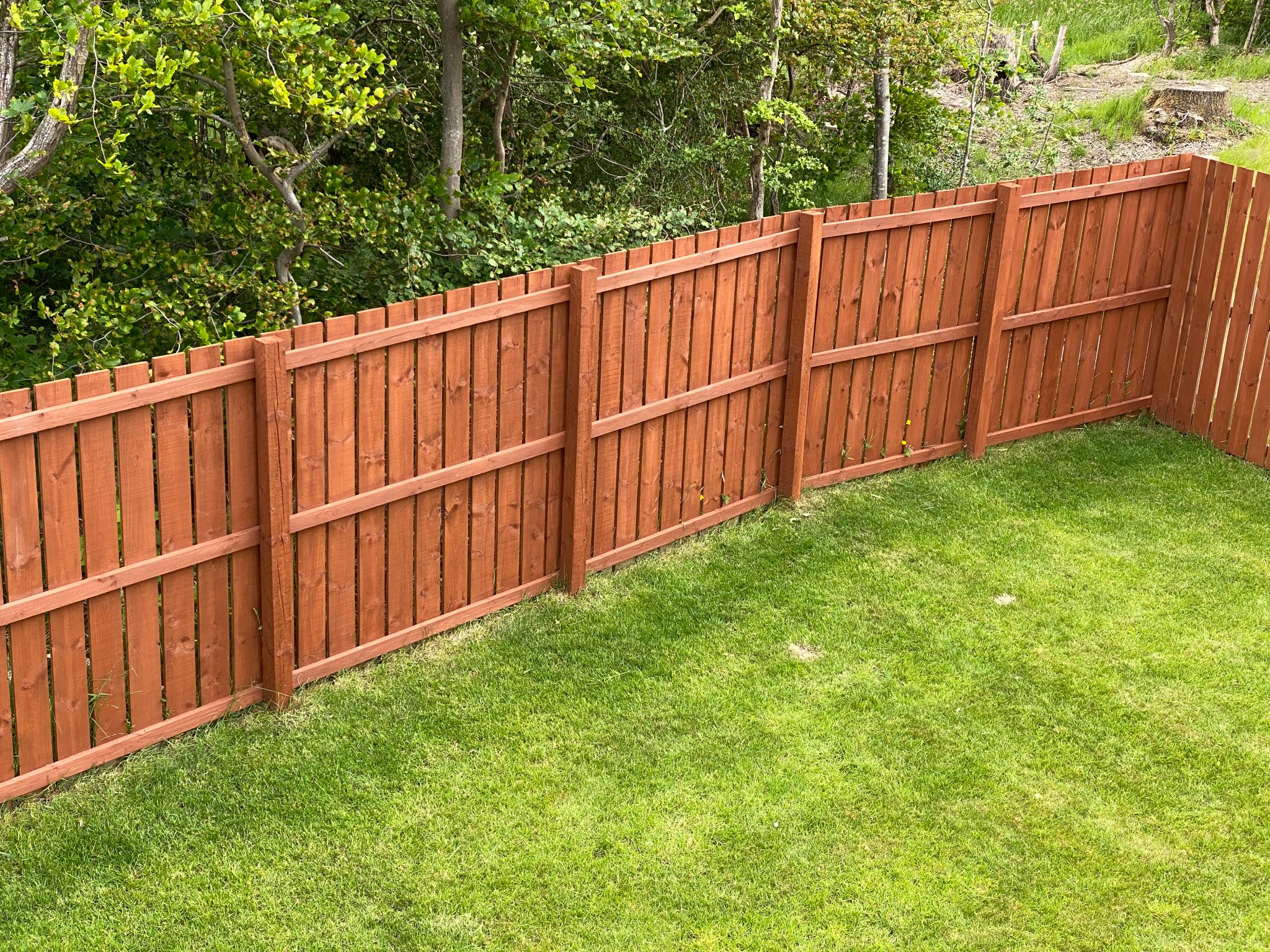
Cost Considerations
Budget is another critical factor in the fencing decision. Initially, composite fencing tends to be more expensive than traditional wood due to the manufacturing process and materials used. However, it's important to consider the long-term savings. Since composite requires less maintenance and has a longer lifespan, it can be more cost-effective over time.
Traditional wood fences have a lower upfront cost, but the expenses for maintenance and repairs can add up. If you are planning on staying in your home for a long period, investing in composite fencing could save you money in the long run. Otherwise, traditional wood might suit your short-term needs better.

Aesthetic Appeal
The appearance of your fence is undoubtedly an important consideration. Composite fences offer a wide range of colors and styles that mimic natural wood, allowing you to achieve a similar look with added durability. Some homeowners appreciate this modern take on traditional aesthetics.
However, if you're aiming for an authentic, rustic charm, nothing beats the natural beauty of wood. Traditional wood fences offer a timeless appeal that complements many architectural styles. It's essential to weigh how important this natural look is to you when making your choice.
Environmental Impact
For environmentally conscious homeowners, the impact of building materials on the environment is a key consideration. Composite fencing often uses recycled materials in its production, making it an eco-friendly choice for those looking to reduce their carbon footprint.
Traditional wood fencing requires the use of new lumber, which can contribute to deforestation if not sourced responsibly. However, choosing wood certified by organizations like the Forest Stewardship Council (FSC) can mitigate this impact.

Making Your Decision
Ultimately, the decision between composite and traditional wood fencing comes down to personal preference and specific needs. Consider factors such as budget, maintenance preferences, aesthetic desires, and environmental concerns when making your choice.
Both options have their unique benefits and can enhance the beauty and functionality of your property. By carefully weighing these factors, you can select the fence that best meets your needs and complements your home's aesthetic.