Myth-Busting: Common Misconceptions About Composite Fencing


Understanding Composite Fencing
Composite fencing is gaining popularity as a durable and eco-friendly alternative to traditional wood or metal fencing. However, several misconceptions often cloud the decision-making process for potential buyers. In this post, we'll explore and debunk some of these common myths, shedding light on the true benefits of composite fencing.
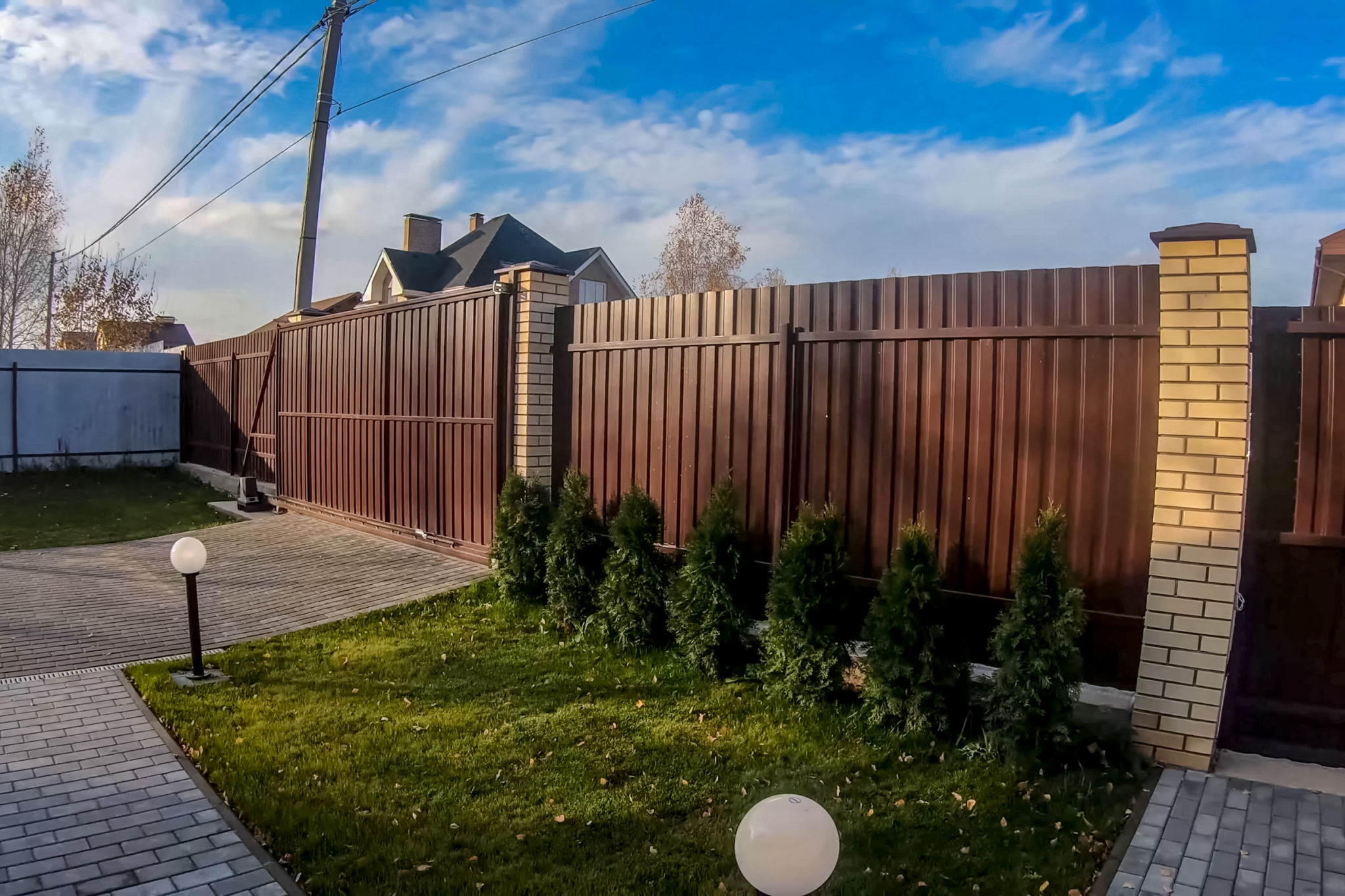
Myth 1: Composite Fencing Looks Unnatural
A prevalent misconception is that composite fencing appears artificial and lacks the charm of natural wood. In reality, modern composite materials are designed to mimic the natural grain and texture of wood. Many manufacturers offer a range of colors and finishes, allowing homeowners to choose styles that enhance their property's aesthetics.
Composite fences are crafted using a blend of wood fibers and recycled plastic, resulting in a product that looks authentic while offering the resilience that natural wood simply cannot match. This blend ensures that each panel has a consistent and appealing appearance.

Myth 2: Composite Fencing Requires Extensive Maintenance
Another common myth is that composite fencing demands the same level of upkeep as wood. In truth, one of the greatest advantages of composite fencing is its low-maintenance nature. Unlike wood, composite materials do not need to be stained, painted, or treated for pests.
To maintain its appearance, composite fencing typically only requires occasional cleaning with soap and water. This makes it an ideal choice for homeowners seeking a hassle-free fencing solution that can withstand the elements.
Myth 3: Composite Fencing Isn't Eco-Friendly
Many people assume that composite fencing isn't environmentally friendly due to its plastic content. However, the opposite is true. Composite fencing is made from recycled materials, including wood fibers and plastic, reducing the need for new raw materials and minimizing waste.

By choosing composite fencing, homeowners contribute to a more sustainable environment. The production process of composite materials often involves using recycled content, which helps lower the carbon footprint associated with traditional wood fencing.
Myth 4: Composite Fencing Is Too Expensive
Cost is a significant factor for many when selecting fencing options, and composite fencing is sometimes perceived as too pricey. While the initial investment may be higher than wood, it's essential to consider the long-term savings. Composite fencing offers superior durability, meaning it won’t need frequent replacements or repairs.
Over time, the reduced maintenance costs and longevity of composite fencing often make it a more economical choice. Homeowners can enjoy peace of mind knowing their investment will stand the test of time.

Conclusion
Composite fencing combines aesthetic appeal, durability, and sustainability, making it a wise choice for modern homeowners. By debunking these myths, we hope to provide a clearer understanding of why composite fencing is a valuable investment. Whether you're looking to enhance your property's curb appeal or reduce maintenance efforts, composite fencing offers a practical and attractive solution.