PVC vs Wood: Which Decking Material is Best for Canadian Weather?


Understanding Decking Materials
Choosing the right decking material is crucial for creating a durable and aesthetically pleasing outdoor space. In Canada, where weather conditions can be extreme, selecting the best material between PVC and wood is essential.
Both materials have their unique advantages and drawbacks, making the decision a bit challenging. This post will explore the characteristics of PVC and wood to help you decide which is best suited for Canadian weather.

PVC Decking: A Modern Solution
PVC decking is made from polyvinyl chloride, a type of plastic known for its durability and low maintenance. It is designed to withstand harsh weather conditions, making it an attractive option for Canadian homeowners.
Advantages of PVC Decking
One of the most significant benefits of PVC decking is its resistance to moisture, rot, and insect damage. This makes it ideal for regions with heavy rainfall or humidity. Additionally, PVC is available in a wide range of colors and styles, allowing homeowners to achieve the desired look without compromising on quality.
Another advantage is the material's low maintenance requirements. Unlike wood, PVC does not need regular staining or sealing, saving you both time and money in the long run.
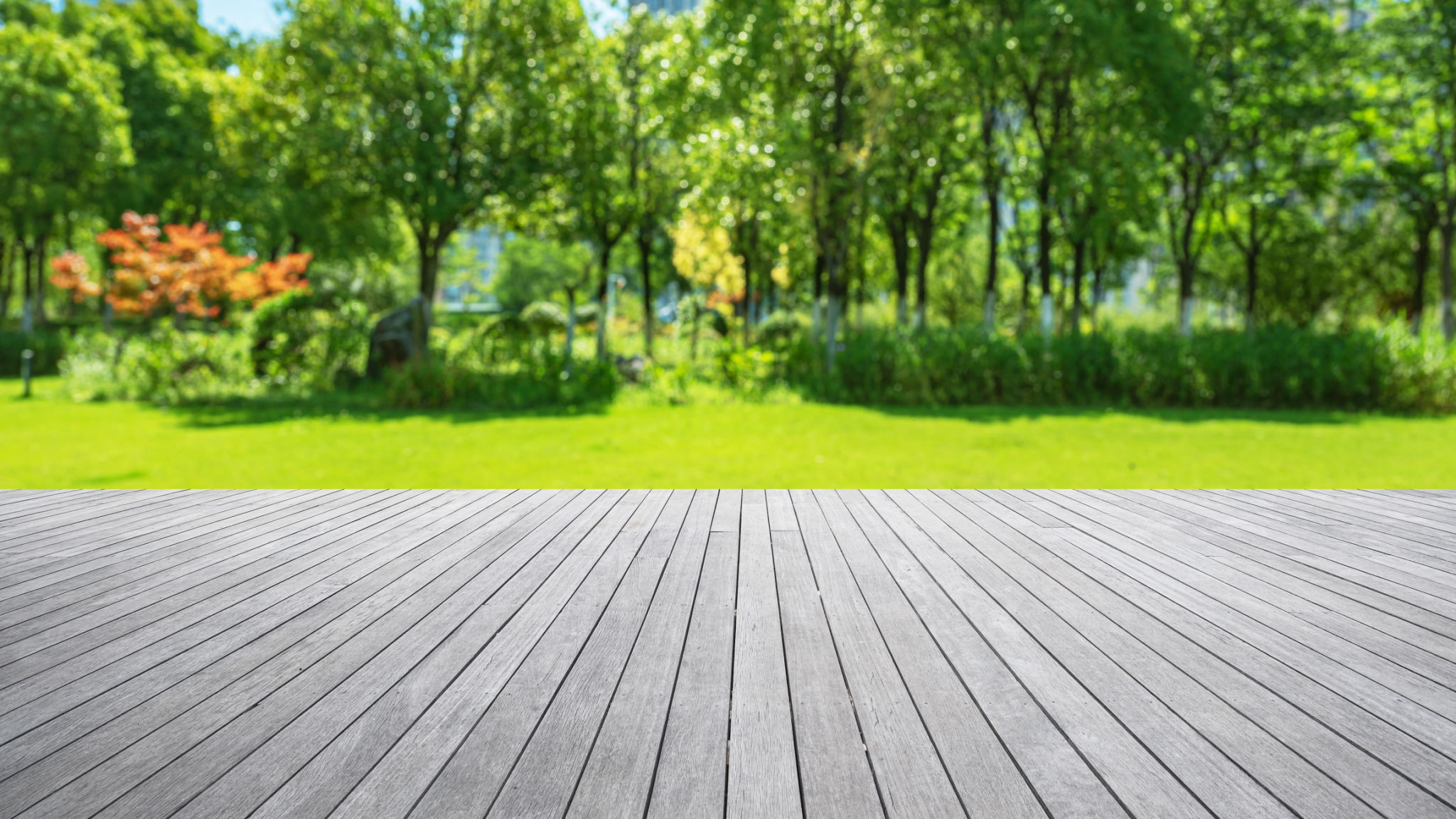
Wood Decking: A Classic Choice
Wood has been a popular decking choice for decades, offering a natural and timeless appearance. It comes in various types, such as cedar, redwood, and pressure-treated lumber, each with its own set of characteristics.
Advantages of Wood Decking
Wood decking provides an authentic and warm aesthetic that is difficult to replicate with synthetic materials. It can be customized with stains and finishes to match any outdoor decor. Additionally, wood is generally more affordable than PVC, making it a cost-effective option for many homeowners.
However, wood requires regular maintenance to prevent damage from weather conditions, insects, and rot. This might include periodic staining, sealing, and cleaning.

Comparing Performance in Canadian Weather
When it comes to Canadian weather, both PVC and wood have their strengths and weaknesses. PVC is more resistant to the fluctuating temperatures and moisture levels typical of Canadian climates, while wood offers a natural beauty that many homeowners find appealing.
- Durability: PVC is generally more durable and weather-resistant.
- Maintenance: Wood requires more maintenance to keep it in good condition.
- Cost: Wood is often cheaper upfront but may incur more maintenance costs over time.
Making the Right Choice
The decision between PVC and wood decking ultimately comes down to personal preference and budget. If you prioritize low maintenance and longevity, PVC might be the better choice. On the other hand, if you value the natural look and feel of wood and are willing to invest in regular upkeep, wood could be the right option for you.
Consider the specific weather conditions in your area and how much time you are willing to dedicate to maintaining your deck. Both materials can provide a beautiful and functional outdoor space when chosen thoughtfully.
By understanding the differences between PVC and wood, you can make an informed decision that enhances your home's outdoor living area and withstands the unique challenges of Canadian weather.