The Eco-Friendly Advantages of Alternative Wood Products


The Rise of Alternative Wood Products
As the demand for sustainable materials grows, alternative wood products have become increasingly popular. These products offer a range of eco-friendly advantages that traditional wood cannot match. By opting for alternative wood, consumers can make a significant impact on reducing deforestation and promoting environmental sustainability.

What Are Alternative Wood Products?
Alternative wood products are materials designed to mimic the appearance and functionality of natural wood while using sustainable resources. Common examples include bamboo, reclaimed wood, and composite materials made from recycled plastics and fibers. These products are engineered to provide the same aesthetic and structural benefits as traditional wood.
Environmental Benefits
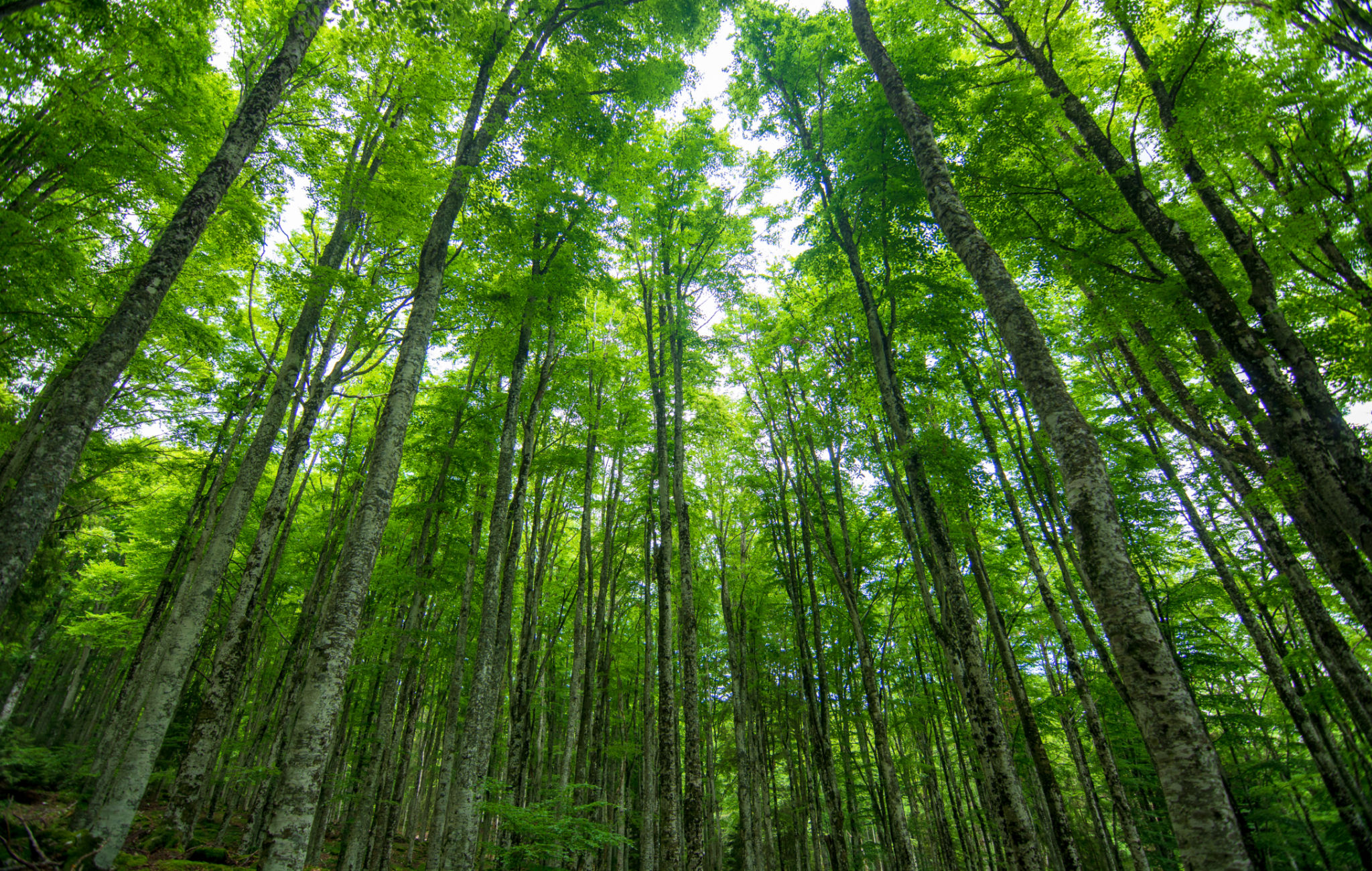
One of the primary eco-friendly advantages of alternative wood products is their role in conserving natural forests. By reducing the need for virgin timber, these materials help preserve biodiversity and protect ecosystems. Additionally, many alternative wood products are manufactured using renewable resources, further enhancing their environmental benefits.
Reduced Carbon Footprint
Utilizing alternative wood products can significantly lower the carbon footprint associated with construction and manufacturing. Materials like bamboo grow rapidly and require minimal resources to cultivate, resulting in a lower environmental impact. Furthermore, many alternative wood products are produced locally, reducing transportation emissions.
Durability and Longevity
Alternative wood products are not only environmentally friendly but also highly durable. Many of these materials are engineered to withstand the elements, making them a long-lasting option for both indoor and outdoor applications. This durability reduces the need for frequent replacements, further decreasing environmental impact.

Cost-Effectiveness
In addition to environmental benefits, alternative wood products can also be cost-effective. Since they are often produced from readily available materials, they can be less expensive than traditional hardwoods. This affordability makes it easier for consumers to choose sustainable options without compromising on quality or style.
Versatility in Design
Alternative wood products offer a wide range of design possibilities. These materials can be crafted into various shapes, sizes, and finishes, allowing for creative and customized solutions in construction and interior design. Their versatility ensures that they can meet the aesthetic needs of any project.

Supporting Sustainable Practices
By choosing alternative wood products, consumers are supporting sustainable practices in the construction and design industries. This choice encourages manufacturers to continue developing and improving eco-friendly materials, ultimately leading to a more sustainable future.
Making the Sustainable Choice
In conclusion, alternative wood products offer numerous eco-friendly advantages that make them an excellent choice for environmentally conscious consumers. From reducing deforestation to lowering carbon footprints, these materials provide sustainable solutions without sacrificing quality or aesthetics. As awareness grows, the adoption of alternative wood products is set to play a crucial role in promoting a greener planet.